Hearing Protection at Concerts: Practical Rules
Hearing protection at concerts is easy to underestimate, since loud live music suggests energy, not risk. Yet lasting noise exposure from about 85 dB(A) can damage your hearing, and concerts often reach much higher levels. How can you protect your ears without giving up live shows? This article collects rules that lower the risk without taking away the enjoyment.
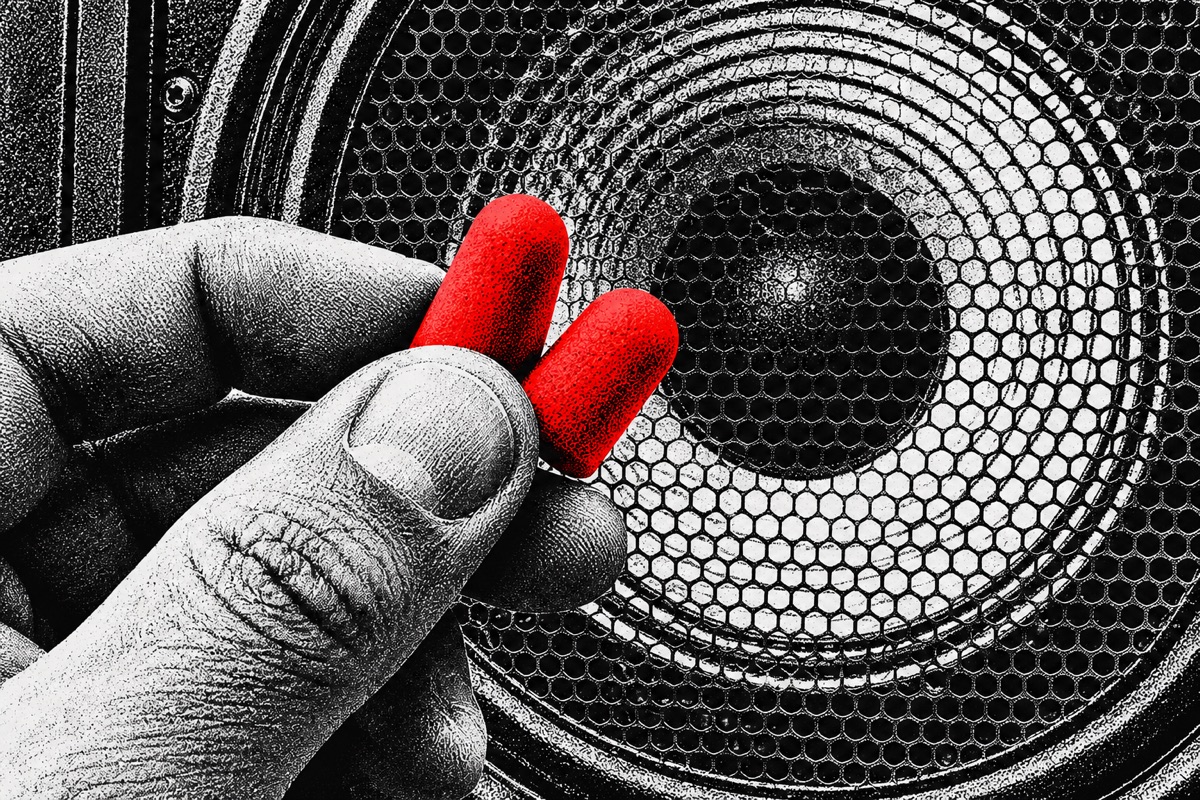
Why Concert Volume Matters
It starts with a simple relationship: the risk to your hearing depends not only on how loud it is in the hall but also on how long you stay there. The longer the exposure lasts, the more strain your ears take. Several hours in front of the stage can therefore be harder on your ears than one short burst of high volume.
This matters because damaged hearing does not return to its original state. That is the strongest argument for planning hearing protection before the show, not after worrying symptoms appear. Every evening at too high a volume adds to the risk.
How to Recognize Overload
Typical signs of overload are a rushing or whistling sound in your ears, also called tinnitus, and muffled hearing after the concert. Both signals show that your hearing was pushed too hard. They are not a normal result of a good night out. They are a warning.
If the ringing has not faded after about half a day, see an ear, nose and throat doctor. Make the appointment as soon as you can, because overload can be a sign that damage has already happened.
Earplugs: Which Ones Fit?
The easiest way to reduce the load is with earplugs. Foam plugs mostly cut high tones, so the music sounds duller and less clear. Filter plugs made for musicians lower the level more evenly and keep the music clear. That way the character of the concert sound survives better while your hearing stays protected.
In every case a snug fit in the ear is what counts. A poorly seated plug blocks less and quickly becomes uncomfortable. That raises the temptation to pull it out in the middle of the set.
What Else Protects Your Ears
Besides earplugs, a few simple habits help. Distance from the speakers is among the most effective ways to cut exposure. For that reason the spot right at the stage is not always the best choice for your hearing. Breaks in a quieter place help as well, since they give your ears time to recover during a long event. These breaks do not have to be long, but they should happen regularly.
So hearing protection at concerts does not mean giving up your favorite shows. It is enough to combine well fitting earplugs with a sensible distance from the stage and regular rest breaks, and to check after leaving the hall whether any ringing is left over. Protecting your ears at concerts is a habit that pays off over the years.